-
Liutang Town Industrial Park, Liucheng County, Guangxi

What Is STPP in Food? Definition, Uses, Identity, and Buyer Notes
STPP in food means sodium tripolyphosphate, a food additive used for specific processing functions such as sequestration and texture support. Internationally, JECFA identifies it as pentasodium triphosphate/sodium tripolyphosphate, assigns it INS 451(i), and lists its functional uses as sequestrant and texturizer. In the U.S., the FDA lists sodium tripolyphosphate as generally recognized as safe when used in accordance with good manufacturing practice. (FAOHome)
For food manufacturers, STPP is not just a chemical name on an ingredient panel. It is used because it can help improve processing performance, water retention, and product consistency in certain foods, especially meat and seafood applications. Whether it can be used, and at what level, depends on the country, the food category, and the applicable food-additive rules. (FAOHome)
Direct Answer: What Is STPP in Food?
Sodium tripolyphosphate in food is a phosphate additive used to support food processing and product quality. It is commonly used as a sequestrant and texturizer, and in practice, it is often associated with moisture retention, texture management, and processing stability in foods such as meat and seafood. (FAOHome)
So, if someone asks what STPP is in food, the simplest answer is: it is a regulated food additive used for technological functions, not a nutrient added for nutrition. In labels and standards, it may appear as sodium tripolyphosphate, sodium triphosphate, E451(i), or INS 451(i) depending on the market. (FAOHome)
What STPP Is
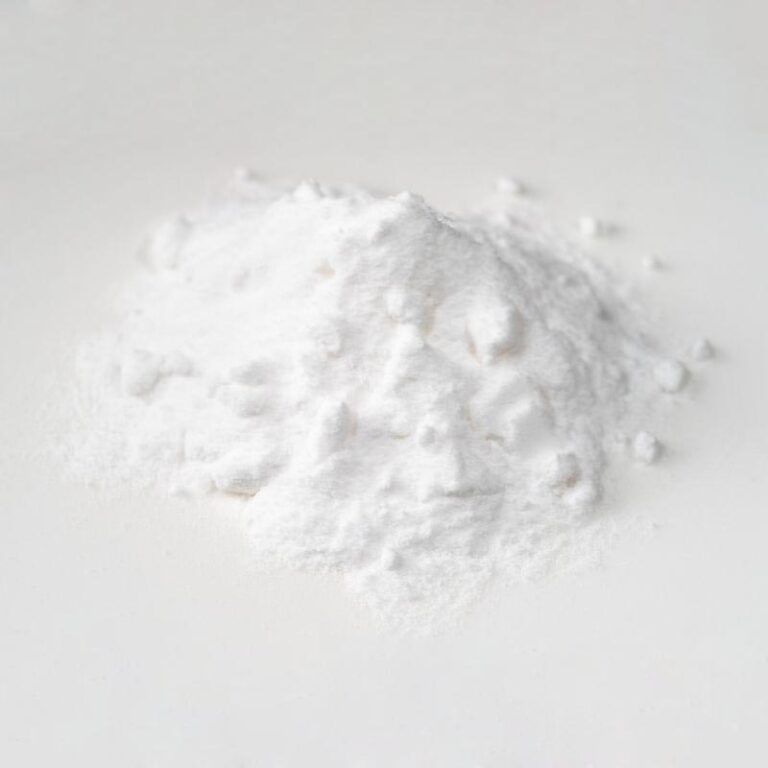
Chemically, STPP is the sodium salt form of triphosphate. JECFA’s food-additive specification identifies it as pentasodium triphosphate / pentasodium tripolyphosphate, with the formula Na5O10P3 · x H2O and describes it as a white, slightly hygroscopic granule or powder that is freely soluble in water. (FAOHome)
In food processing, what matters most is its function. JECFA classifies STPP’s functional uses as sequestrant and texturizer. A sequestrant helps bind certain metal ions that can affect stability or quality, while a texturizer supports the desired structure and processing behavior of the food. (FAOHome)
That is why STPP food additive searches are often tied to manufacturing questions rather than consumer flavor questions. It is used for what it does during processing and storage, not because it adds taste. (FAOHome)
E Number / INS / CAS Identity
STPP is commonly identified in international food-additive systems as INS 451(i). In Europe, the corresponding additive number is E451(i), where the “E number” is the EU-style additive identifier for authorized food additives. The European Commission’s additives databases are built around this Union-list system. (FAOHome)
JECFA also lists the CAS number as 7758-29-4 for pentasodium triphosphate/sodium tripolyphosphate. (FAOHome)
These naming systems matter for buyers and formulators because a product may be described differently across markets:
- Sodium tripolyphosphate
- Sodium triphosphate
- E451(i)
- INS 451(i)
They refer to the same basic food-additive identity in regulatory and commercial contexts. (FAOHome)
Main Food Uses
The main reason food manufacturers use STPP is its technological function in processing. Because it acts as a sequestrant and texturizer, it is used where processors need better control over texture, moisture handling, or production consistency. (FAOHome)
In practical commercial language, STPP uses in food are commonly associated with:
- helping maintain product texture
- supporting water retention
- improving process consistency
- assisting certain prepared or processed food systems
Those functions are why STPP is often discussed alongside broader terms like phosphate additive in food and food-grade STPP. (FAOHome)
Because additive permissions vary by jurisdiction and food category, the exact food uses should always be checked against the applicable market rules rather than assumed from one country to another. Codex GSFA and the EU additives database are both used to verify permitted uses by additive and food category. (FAOHome)
Meat and Seafood Use Cases
STPP in meat processing is one of the best-known commercial use cases. Processors use phosphate systems in some meat products because they can support water retention, texture, and handling during processing. That is one reason buyers looking at STPP often come from meat-processing supply chains. The exact legal use still depends on the product type and jurisdiction. (FAOHome)
STPP in seafood processing is also common as a search topic because phosphate additives are widely associated with seafood treatment and quality management. In the U.S., the FDA’s food-substances database and CFR recognition of sodium tripolyphosphate support its food-use status under good manufacturing practice, but actual use must still fit product-specific rules and labeling requirements. (Electronic Federal Regulations)
So when people ask which foods commonly contain STPP, the most common commercial answer is: processed meat products and seafood products are among the most frequently discussed categories, though other processed foods may also use phosphate additives where permitted. (FAOHome)
Food Grade vs Industrial Grade
Food-grade STPP is not the same as industrial STPP. Food-grade material must meet food-additive specifications and purity requirements appropriate for food use, while industrial material is made for non-food applications and should not be substituted into foods. JECFA’s specification for pentasodium triphosphate sets food-additive criteria, including assay, P2O5 range, water-insoluble matter, and impurity limits such as fluoride, arsenic, and lead. (FAOHome)
This is the key answer to is food grade STPP different from industrial STPP? Yes. The grade difference is about compliance, purity, impurity limits, and documentation, not just the chemical name. A supplier serving food manufacturers should be able to support the product with food-grade specifications and compliance documents, not only a general industrial data sheet. (FAOHome)
Safety and Regulatory Note
From a regulatory perspective, sodium tripolyphosphate has a recognized food-additive status in major systems, but its use is still controlled. In the U.S., the FDA’s eCFR states that sodium tripolyphosphate is generally recognized as safe when used in accordance with good manufacturing practice. (Electronic Federal Regulations)
Internationally, JECFA has food-additive specifications for pentasodium triphosphate and notes a group MTDI of 70 mg/kg body weight, expressed as phosphorus from all food sources. (World Health Organization application)
In the EU, the additive framework is based on the Union list and additive specifications under the food additives regulations and the searchable food additives database. That means the practical compliance question is not just “is STPP allowed,” but “is E451(i) allowed in this specific food category and at this use level?” (Food Safety)
Buyer Note and Document Support
For buyers sourcing food-grade STPP, the most important step is document control. Ask for:
- specification sheet
- COA
- food-grade compliance statement
- impurity limits
- traceability and batch information
These are basic checks that help distinguish a real food-grade supplier from a generic chemical supplier. JECFA’s specification structure shows why these documents matter: food use depends on purity and contaminant limits, not just product name. (FAOHome)
If you are buying for export-oriented food manufacturing, also confirm how the supplier supports the target market identity:
- E451(i) for EU-facing documentation
- INS 451(i) for Codex-style or broader international documentation
- product naming consistency on specs, COAs, and labels
That helps reduce problems during audits, labeling review, and import documentation checks. (FAOHome)
FAQ
What is STPP in food?
STPP in food is sodium tripolyphosphate, a regulated food additive used mainly for technological functions such as sequestration and texture support. JECFA identifies it as INS 451(i). (FAOHome)
What does sodium tripolyphosphate do in food processing?
It functions as a sequestrant and texturizer, helping processors manage product quality and processing performance in certain foods. (FAOHome)
Is STPP the same as E451(i)?
Yes. In EU-style labeling and regulation, STPP corresponds to E451(i); in Codex/JECFA terminology, it is INS 451(i). (FAOHome)
Why do food manufacturers use STPP?
Manufacturers use STPP because it can help with texture, moisture handling, and processing consistency in permitted food applications, especially in meat and seafood-related processing. (FAOHome)
Is food-grade STPP different from industrial STPP?
Yes. Food-grade STPP must meet food-additive purity and impurity specifications, while industrial STPP is for non-food uses and should not be used in foods. (FAOHome)
Which foods commonly contain STPP?
It is commonly associated with certain processed meat and seafood applications, though exact permitted uses depend on the jurisdiction and food category. (Electronic Federal Regulations)
Conclusion
The clearest answer to what STPP is in food is this: it is sodium tripolyphosphate, a food additive used for technological purposes such as sequestration and texture support. It is identified internationally as INS 451(i) and in the EU as E451(i), and it is widely discussed in meat and seafood processing contexts. (FAOHome)
For commercial buyers, the key issue is not just the name STPP, but the grade and documentation behind it. A proper food-grade supplier should be able to provide specifications, COA support, impurity-limit information, and market-appropriate regulatory identity for your labeling and compliance needs. (FAOHome)