-
Liutang Town Industrial Park, Liucheng County, Guangxi

What Is STPP in Food? Uses, E451(i) Identity, Food Applications, and Buyer Notes
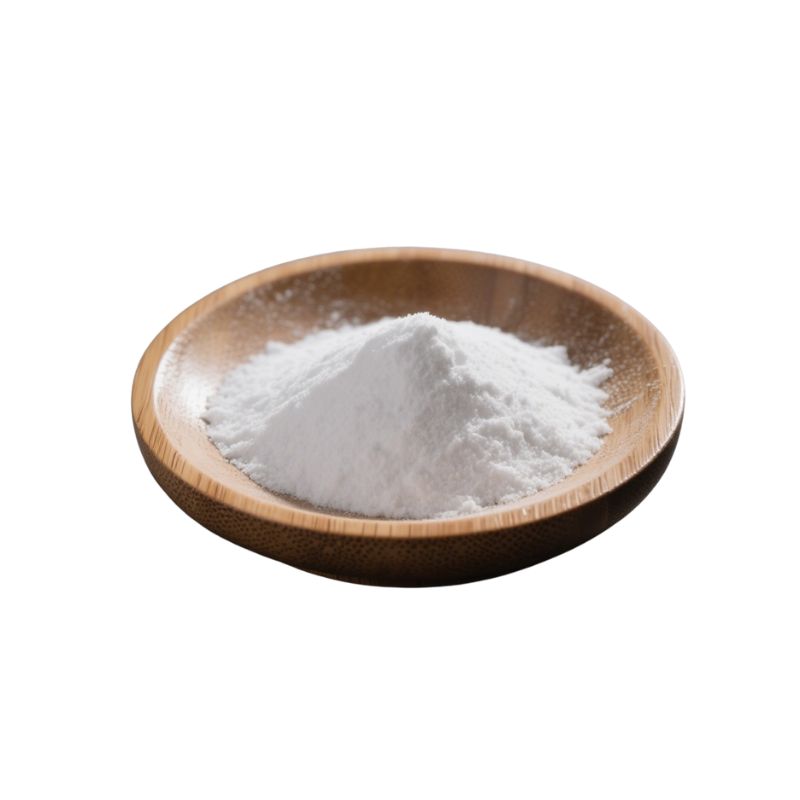
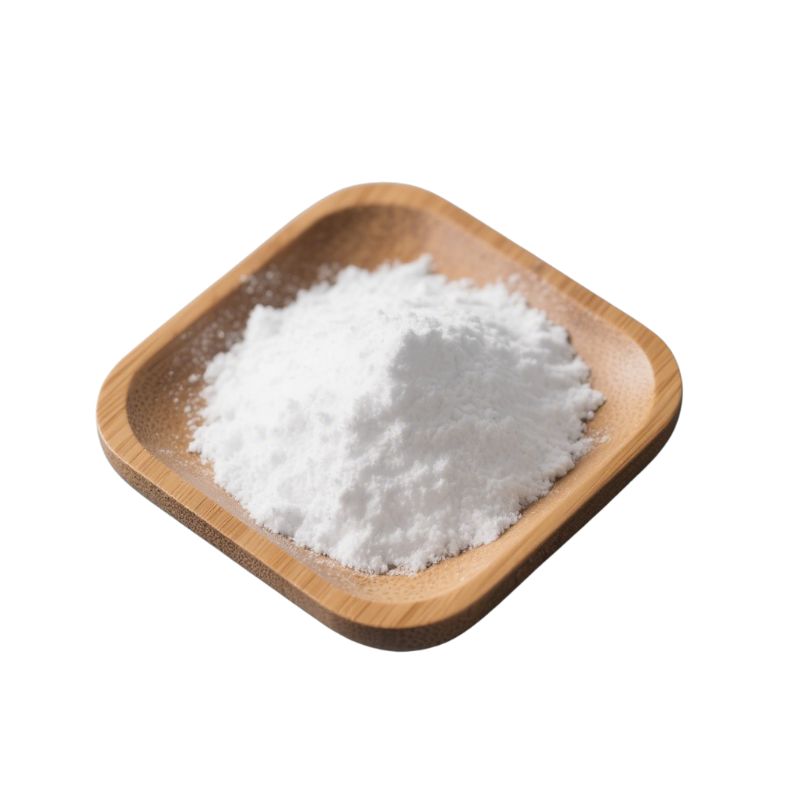
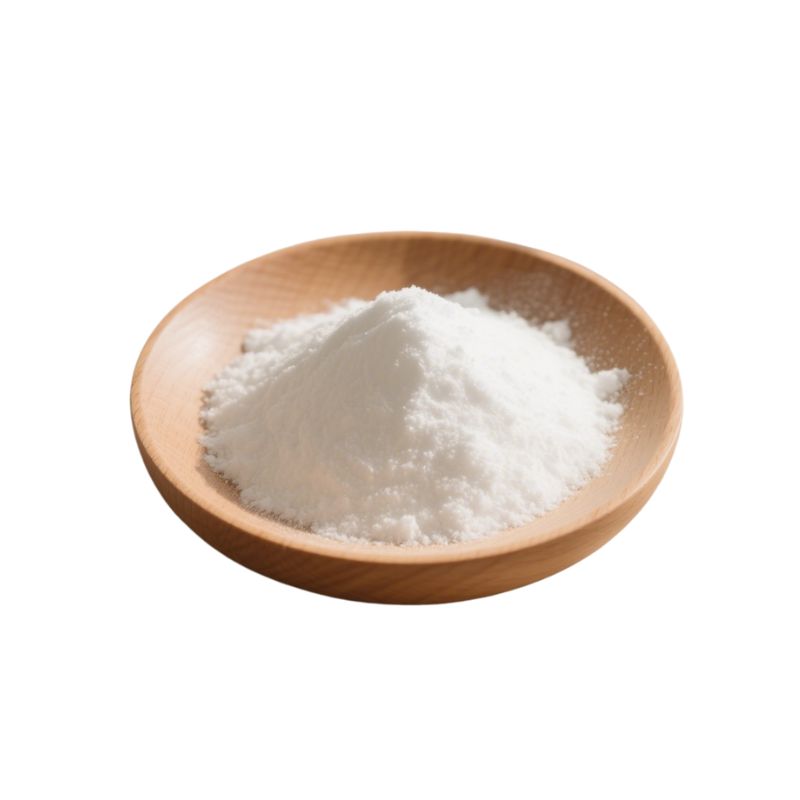
STPP in food usually means sodium tripolyphosphate, a phosphate-based food additive used to help control texture, water retention, and processing performance. In international additive systems, it is associated with INS 451(i), and in Europe, it falls under the E451 triphosphates group. Food authorities and reference databases list it as a sequestrant, texturizer, and thickener or stabilizing-type additive depending on the system used.
Manufacturers use STPP because it can help foods hold moisture, improve consistency, and perform more predictably during processing, especially in products such as processed meat and seafood. In the U.S., sodium tripolyphosphate is listed in the CFR, and internationally, it is included in Codex/JECFA food-additive references.
Direct Answer: What Is STPP in Food?
STPP in food is sodium tripolyphosphate, a food additive used to improve water retention, texture, and processing stability in certain foods. It may appear on technical documents and labels as sodium tripolyphosphate, sodium triphosphate, INS 451(i), or, in European additive classification, under E451 triphosphates.
In plain terms, STPP helps food processors manage how a product holds water and behaves during mixing, freezing, thawing, or cooking. That is why it is commonly discussed in connection with meat processing, seafood processing, and other formulated foods.
What STPP Is
STPP stands for sodium tripolyphosphate, an inorganic phosphate compound. JECFA lists synonyms including pentasodium tripolyphosphate, sodium triphosphate, and sodium tripolyphosphate. Its CAS number is 7758-29-4.
In food processing, STPP is used for technical functions rather than flavor. JECFA classifies it within food-additive functions such as sequestrant, texturizer, and thickener, which helps explain why it shows up in products where moisture control and texture matter.
Because STPP is a phosphate additive, it is also discussed alongside other phosphate ingredients used to support processing performance. In EU and UK additive systems, it is grouped within triphosphates (E451) rather than treated as a random stand-alone label term. (data.food.gov.uk)
E Number / INS / CAS Identity
A common question is whether STPP is the same as E451(i). The short answer is: STPP corresponds to INS 451(i), while E451 is the broader triphosphates group used in European-style additive labeling. JECFA identifies sodium tripolyphosphate as INS 451(i), and UK/EU databases identify E451 as triphosphates.
That means buyers and formulators may encounter several related identity terms:
- Sodium tripolyphosphate
- Sodium triphosphate
- Pentasodium tripolyphosphate
- INS 451(i)
- E451 / E451(i) in market discussions or product literature
For chemical identification, the most common reference point is CAS 7758-29-4. For food-additive identity, the most useful references are INS 451(i) and the applicable local labeling framework.
Main Food Uses of STPP
The main reason STPP is used in food is that it helps manufacturers control water retention and texture. This is especially useful in foods where processing can otherwise lead to moisture loss, uneven texture, or weaker product consistency.
STPP is also used for its sequestrant function, meaning it can bind certain metal ions and help stabilize processing behavior. That role can support texture and consistency in formulated foods. JECFA’s functional classification reflects these kinds of uses.
In practical commercial terms, STPP may be selected when a processor wants to improve product yield, juiciness, firmness, or handling performance, depending on the food and the local rules governing additive use. Exact permitted uses and limits are market-specific, so buyers should always check the destination country’s regulations for the relevant food category.
Meat and Seafood Use Cases
STPP is especially associated with meat processing and seafood processing. Industry and additive references commonly describe its use in products such as processed meats, fish, and seafood because it can help improve moisture retention and texture. (proE.info)
In meat products, processors may use STPP to support water-holding capacity and consistency during manufacturing and cooking. In seafood, it is often discussed in relation to frozen or processed fishery products, where maintaining yield and texture can be commercially important. EU legislation specifically addresses the use of E450–E452 phosphates, including triphosphates, in certain processed fish categories, showing that seafood is a recognized regulatory use area.
This does not mean STPP is allowed in every meat or seafood product everywhere. It means those are common use cases, while the exact authorization depends on the country, food category, and usage conditions. (Food Safety)
Food Grade vs Industrial Grade
Food grade STPP is not the same as industrial STPP. Food-grade material is intended for use in food applications and should meet the applicable food-additive specifications, purity expectations, and documentation requirements for the target market. Industrial grades may be suitable for detergents, ceramics, water treatment, or other non-food uses and are not interchangeable with food-grade material for food applications.
For buyers, the difference matters because a food processor needs a material that matches food regulatory and quality expectations, not just the same chemical name. In practice, that usually means checking the supplier’s specification, food-grade declaration, and compliance documents rather than assuming all STPP is equivalent.
A good commercial rule is simple: if the intended use is food, the supplier should be able to clearly support food-grade status, traceability, and market-appropriate documentation. (hfpappexternal.fda.gov)
Safety / Regulatory Note
Food additives are not evaluated as a free-for-all category. They are assessed within regulatory systems that specify where and how they may be used. JECFA lists sodium tripolyphosphate under INS 451(i) and gives a group tolerable intake framework for phosphorus from all sources, while U.S., EU, and UK systems each control additive use through their own legal structures.
That is why the safest practical statement is this: STPP can be an approved food additive in some foods, but permitted uses, labeling, and maximum levels depend on the jurisdiction and food category. Buyers and processors should verify the current rules for the destination market before use or export. (Food Safety)
Buyer Note and Document Support
If you are sourcing food grade STPP, ask for the basic compliance package before purchase. At minimum, buyers typically want:
- specification sheet / TDS
- certificate of analysis
- food-grade declaration or compliance statement
- safety data sheet
- lot traceability information (hfpappexternal.fda.gov)
For export or multi-country sales, it is also important to confirm the target-market identity language, such as whether the product will be documented as sodium tripolyphosphate, INS 451(i), or under a local additive framework tied to E451 triphosphates. That helps reduce labeling and compliance errors.
A supplier that can clearly explain grade, specification, traceability, and intended food uses is usually more valuable than one that only offers a generic chemical datasheet. (hfpappexternal.fda.gov)
FAQ
What is STPP in food?
STPP in food is sodium tripolyphosphate, a phosphate food additive used to support water retention, texture, and processing performance in certain foods. It is identified internationally as INS 451(i).
What does sodium tripolyphosphate do in food processing?
It helps with functions such as sequestration, texture support, and moisture management, which is why it is used in products like processed meats and seafood.
Is STPP the same as E451(i)?
STPP corresponds to INS 451(i), while E451 is the broader triphosphates group used in European-style additive classification. In practice, STPP is commonly discussed as the (i) form within that group.
Why do food manufacturers use STPP?
Manufacturers use it to improve water retention, texture, and product consistency during processing, especially in categories where moisture loss or texture change is a concern.
Is food grade STPP different from industrial STPP?
Yes. Food-grade STPP should meet food-application specifications and documentation requirements, while industrial grades are intended for non-food uses and should not be treated as interchangeable for food processing.
Which foods commonly contain STPP?
It is commonly associated with some processed meat and seafood applications and may also appear in other regulated processed foods depending on local rules. Always check the specific market’s additive permissions and the product label. (proE.info)
Conclusion
What is STPP in food? It is sodium tripolyphosphate, a phosphate food additive used mainly to support moisture retention, texture, and processing control. It is identified in international additive systems as INS 451(i) and may be connected with E451 triphosphates in EU/UK-style classification.
For commercial buyers, the key takeaway is not just what STPP is, but whether the product is truly food grade, properly documented, and suitable for the destination market’s food rules. That is the point where chemistry, compliance, and procurement all meet. (hfpappexternal.fda.gov)